WHAT IS POST-INFLAMMATORY HYPERPIGMENTATION?
Post-inflammatory hyperpigmentation accounts for 15% of the people suffering from hyperpigmentation, according to a recent study conducted by La Roche-Posay. "After some kinds of skin sensitization or irritation—an insect bite or acne blemishes, for example, a wound or a dermatitis outbreak, to name a few—our skin cells can react to the trauma by producing extra melanin pigment in the epidermis as they regenerate," explains Dr Ann'Laure Demessant, International scientific communication director at La Roche-Posay. The resulting dark, discolored spots are called post-inflammatory hyperpigmentation, or PIH (one of three different kinds of hyperpigmentation). It can manifest as brown to dark brown, sometimes tan or even blue-gray patches on your skin. It can also be spots. What should you do to help kick it to the curb? First, keep reading: understanding PIH is the first step toward effective correction and prevention.
HOW TO IDENTIFY THIS SKIN CONCERN?
While anyone can fall prey to post-inflammatory hyperpigmentation, its epidemiology is quite clearly defined—more women than men suffer from it and those with darker, already melanin-rich skin tones are more susceptible to developing the patches associated with the skin condition. Wondering if you have post-inflammatory hyperpigmentation or something else? Look for areas of your skin that are darker, quite often on the cheeks, forehead or above your lip. As with anything skin-related, your dermatologist will be able to give you a correct diagnosis and map out a correction and skincare plan to help you even out your complexion.
COMMON CAUSES OF POST-INFLAMMATORY HYPERPIGMENTATION
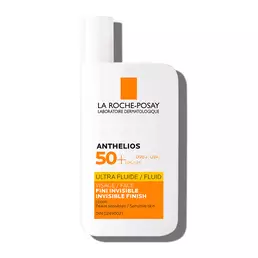
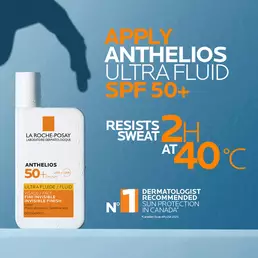
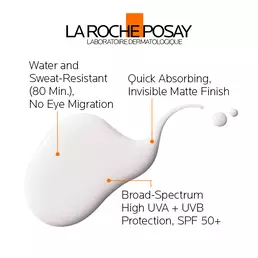
There are many starting points for dermal PIH. Bad acne can cause scarring, leaving marks where pimples have healed. Cuts and skin wounds can also be culprits, as can overly aggressive laser peels. "Add sun exposure to any of the above, and hyperpigmentation can appear," warns Dr Ann'Laure Demessant. That is why going out without the correct UV protection is a red flag behavior. You should wear a broad-spectrum sunscreen every day and reapply it every two hours during prolonged UV exposure to help protect your skin from dark spots. Don't forget, the sun may be hiding out behind the clouds, especially UV rays that are still everywhere.
DOES POST-INFLAMMATORY HYPERPIGMENTATION GO AWAY?
Well, there is good news and less good news. The dark spots associated with dermal post-inflammatory hyperpigmentation are usually temporary and can even go away independently. However, patience will be called for alongside consistent behavior, as PIH marks can persist for months or even years. It depends on the areas of hyperpigmentation as well as the severity. Age can influence the severity of post-inflammatory hyperpigmentation. Correction, such as laser therapy or chemical peels, can correct those imperfections.
HOW TO GET RID OF POST-INFLAMMATORY HYPERPIGMENTATION?
As far as medical treatments go, pigment-specific laser therapy can help clear PIH by breaking down melanin into smaller fragments that can then be absorbed by the body. As with any medical procedure, speak to your healthcare provider to see if this is a viable option for hyperpigmentation. A dermatologist may also recommend chemical peels containing glycolic acid or salicylic acid to correct hyperpigmentation.
Remember that your dermatologist can provide personalized advice and correction plans to manage post-inflammatory hyperpigmentation effectively. In darker skin tones, laser treatments should be approached with great caution, as they may worsen PIH if not carefully selected, and should only be carried out by experienced professionals.
Skincare routine
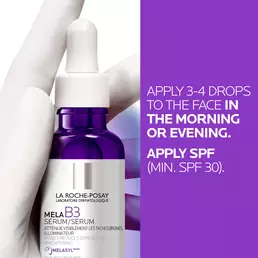
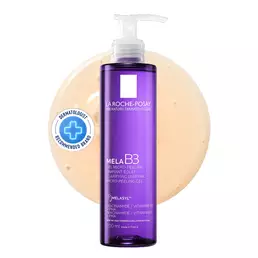
Hyperpigmentation can be remarkably stubborn, and addressing it often requires a multifaceted approach. Topical skin correction made to even out your skin tone are a good place to start, with your dermatologist's blessing of course. At La Roche-Posay, our skincare innovations combine the power and efficacy of ingredients such as Niacinamide, multi-patented Melasyl and exfoliating LHA in formulas that help to improve the look of post-inflammatory hyperpigmentation over time. Together, these ingredients work to help you achieve clearer, more uniform, brighter-looking skin. Experience the transformative effects of this carefully crafted combination, tailored to address multiple skin concerns and enhance your overall complexion. Using La Roche-Posay's Mela B3 Serum daily will progressively help fade the look of brown spots.
Prevention is the best way to take out hyperpigmentation. For that reason, correct acne promptly and effectively can drastically reduce the risk of developing post-inflammatory hyperpigmentation. Applying a sunscreen every day (and reapplying it during the day) will also help prevent new hyperpigmentation zones from appearing!