Breakouts and blemished skin affect people of all ages, and treating them effectively requires an understanding of what causes the different types of pimples. We'll cover the root causes of breakouts, face blemishes, and acne-prone skin, as well as different treatments. Find out how to create a daily beauty-routine for acne-prone skin.
What Are Breakouts and the Different Types of Blemishes?
Breakouts are visible skin imperfections that manifest as blemished skin, with various types of face blemishes, pimples, and clogged pores appearing on the skin's surface.
There are two types of blemishes: non-inflammatory comedones (blackheads and whiteheads) that appear as small, raised bumps, and inflammatory lesions that present as larger, red and swollen pimples. The appearance varies significantly across different types of acne—from small, flesh-colored or dark comedones to larger, inflamed bumps with redness and swelling.
Understanding your specific type of blemished skin helps determine the most effective acne skincare routine.
What Causes Breakouts?
Several factors can contribute to the development of face pimples and blemished skin:
- Excess oil production: sebaceous glands produce too much sebum, creating an environment for clogged pores,
- Hormonal fluctuations: changes during adolescence, menstrual cycles, and hormonal shifts trigger increased oil production,
- Dead skin cell buildup: a poor cell turnover leads to an accumulation of dead skin that blocks pores,
- Bacterial growth: bacteria such as cutibacterium acnes thrive in clogged pores, leading to inflammation,
- Genetic predisposition: your family history significantly influences the likelihood of experiencing breakouts,
- Environmental factors: humidity, pollution, and certain skincare products can worsen breakouts on cheeks and other areas.
How to Treat Breakouts?
Active Treatment Strategies
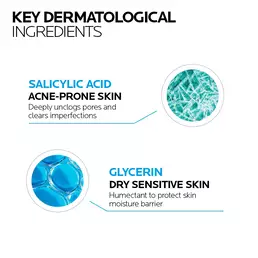
Effective treatment to clear pimples involves gentle, yet consistent approaches that target multiple factors causing blemished skin. For example, salicylic acid exfoliates dead skin cells and penetrates the pores to help clear existing breakouts, while retinoids like adapalene regulate cell turnover to prevent future pimples.
Never attempt to aggressively remove bumps on your face through picking or squeezing, as this can worsen inflammation and lead to scarring. Instead, you should use targeted acne treatments that work gradually to clear pimples, without damaging your skin barrier.
Post-Acne Care
In a comprehensive video about AI recommendations versus dermatological expertise, board-certified dermatologist Dr. Daniel Sugai explains that "scar treatment isn't a one-size-fits-all solution." He emphasizes that it is important to understand different types of scarring: "There are different types of scars, right? There's boxcar scars, rolling scars, ice-pick scars. With different scarring, there are different approaches."
Dr. Sugai stresses that "sunscreen is foundation because you don't want to have sunlight, UV radiation, causing the scars to become hyperpigmented or even cause red scars." He adds: "yes, sunscreen does help with hyperpigmentation. I worry about hyperpigmentation after any inflammation on the face, whether it's acne or a rash from eczema or psoriasis."
DERM & AI | Dr. Sugai Debunks Myths About Acne-Prone Skin and More
When to See a Dermatologist?
Consider seeing a dermatologist if you experience persistent adult acne, severe inflammatory acne, scarring concerns, or treatment-resistant breakouts that don't respond to over-the-counter products.
Dr. Sugai's video demonstrates why professional expertise remains essential for these complex skin concerns. When comparing AI recommendations to professional dermatological care, he notes: "There are subtleties to our recommendations, it's not plain black or white," explaining that AI advice "can come off as a blanket statement or just too black and white."
With his extensive training, Dr. Sugai emphasizes that "there are a lot of subtleties to dermatology which is truly an art form." This personalized approach becomes essential for persistent breakouts that require individualized assessment beyond what generic online recommendations can provide.
The Effaclar Face Routine for Acne-Prone Skin
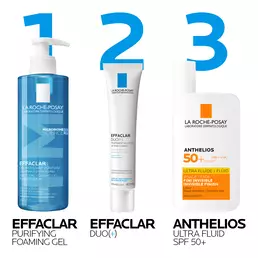
Follow this skincare routine twice a day, in the morning and in the evening, for the best results:
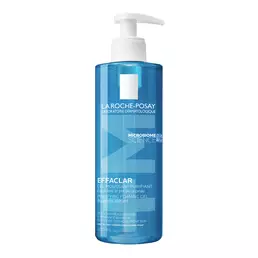
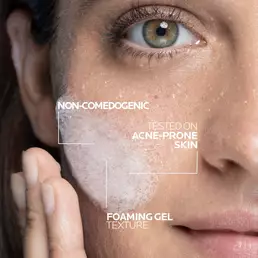
- Cleanse your skin with the Effaclar Purifying Foaming Gel, a gentle purifying cleanser for oily, acne-prone skin that removes impurities and excess sebum without drying out skin.
- Tone your face using the Effaclar Micellar Water to cleanse away makeup, dirt, and excess sebum for skin that feels fresh, purified, and comfortable.
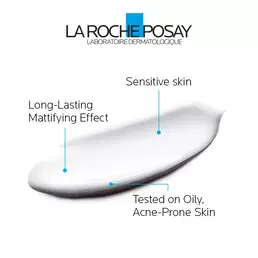
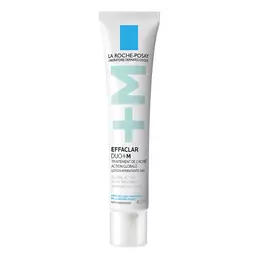
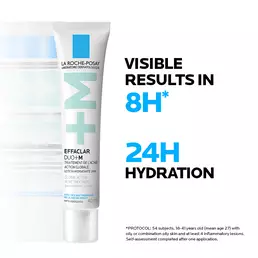
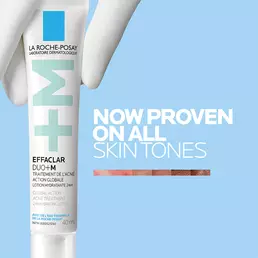
- Target blemishes by massaging in the Effaclar Duo+M Cream to help reduce pimples, provide 24-hour hydration, and help prevent new breakouts on oily, acne-prone skin.
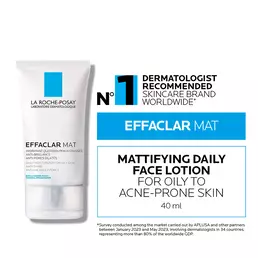
- Use the Effaclar Mat Moisturiser for oily skin which helps limit the appearance of pores and reduces excess sebum.
- Protect from the sun by finishing your morning routine with the Anthelios Ultra-Fluid SPF 50+ Facial Sunscreen, specifically formulated for sensitive skin.
This systematic approach addresses your imperfections while respecting the skin barrier. Regular use of salicylic acid, retinoids, and proper sun protection provides proven results for acne-prone skin. However, for persistent or severe cases, consulting a dermatologist is highly recommended.
FREQUENTLY ASKED QUESTIONS
What causes breakouts on the face?
Breakouts can be caused by excess oil production, hormonal fluctuations, dead skin cell buildup, bacterial growth, genetics, and environmental factors like humidity, pollution, and certain skincare products.
What are the different types of breakouts?
There are two main types of breakouts: non-inflammatory comedones, such as blackheads and whiteheads, and inflammatory blemishes, which appear as red, swollen pimples.
How can you get rid of breakouts?
Getting rid of breakouts usually requires a consistent skincare routine with ingredients that target clogged pores, excess sebum, and inflammation. Ingredients like salicylic acid and retinoids can help clear existing blemishes and prevent new ones.
Should you squeeze or pick breakouts?
No. Picking or squeezing breakouts can worsen inflammation, damage the skin barrier, and increase the risk of post-acne marks and scarring.
What helps prevent post-acne marks?
Daily sunscreen is essential to help prevent post-acne marks from becoming darker and more visible. A targeted skincare routine can also help reduce the appearance of lingering blemish marks over time.