Whether you suffer from ultra-sensitive, reactive or allergy-prone skin, it’s no walk in the park. What they have in
common is reactions to products. Allergic responses can include rashes, swelling and itching and are set off by
contact with allergenic substances,
such as house dust mites, or substances found in the environment or in cosmetics.
In the case of those with
sensitive skin (sometimes because of genetics, medications, dermatological treatments, age or the environment), the skin’s barrier is weakened
and therefore unable to tolerate certain weather conditions or chemicals in products like detergents, dyes and
fragrances. The nerve endings become aggravated, resulting in redness, stinging, burning or just discomfort.
Build a gentle skincare routine
Managing reactive and allergy-prone skin becomes
daunting in terms of a skincare routine. You want to stick with gentle, fragrance-free products that have simple
ingredient lists.
A cleanser that won’t strip your skin of its own essential oils and ceramides is essential. La Roche-Posay's Toleriane Dermo-Cleanser is a soap-free, fragrance-free milky cleanser formulated for sensitive, reactive and allergy-prone skin. It removes makeup, dirt and oil without overdrying the skin and contains glycerin to help maintain hydration.
You also want to use moisturizers that will support the skin barrier intact. It doesn’t even matter if it’s humid outside; sensitive skin needs to limit transepidermal water loss and keep that barrier sealed. For ultra-sensitive and reactive skin, Toleriane Dermallergo Cream provides 24-hour hydration and helps replenish the skin’s moisture barrier while soothing dryness, tightness and redness.
And then there’s the question of what sunscreen to wear. A vital daily habit, applying sunscreen is one of the most important things you can do to protect and preserve your skin given how damaging UV exposure can be over time. Its effects include sunburn, brown spots, premature aging and skin cancer.
You need sunscreen every day, regardless of the time of day or if the sun is even out as UVA rays extend well past clouds and windows. And the last thing you want on delicate skin is unprotected sun exposure. Because of its already weakened structure and lower resilience, sensitive and reactive skin is particularly prone to sun damage.
Choose a sunscreen for sensitive skin
Sunscreens use chemical and mineral filters. Mineral ones work by reflecting and scattering UV rays, while chemical ones absorb rays and convert them into harmless radiation. If you have reactive, sensitive skin, some of the chemical filters used in sunscreens cause allergic reactions and irritation like stinging and burning. Zinc oxide and titanium dioxide can sometimes be gentler options for certain skin types and often don’t irritate eyes.
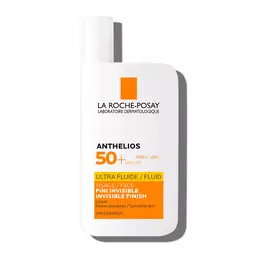
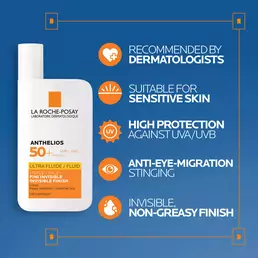
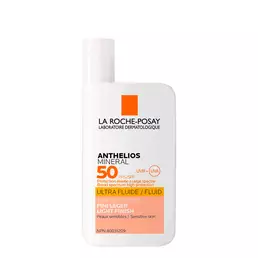
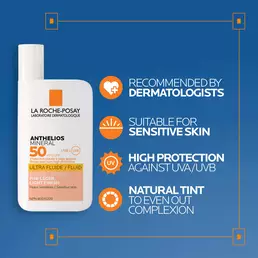
A great face sunscreen for sensitive skin is La Roche-Posay Anthelios Mineral Tinted Ultra-Fluid SPF 50 Facial Sunscreen. Weightless and tinted, it provides broad-spectrum protection and a healthy glow. It also contains the antioxidant properties of vitamin E as well as La Roche-Posay thermal spring water, which is intensely soothing.
Tip: Avoid any sunscreens with added fragrance, synthetic dyes or drying alcohols, all of which can contribute to irritation and redness. A fragrance-free sunscreen is the way to go when you have reactive, sensitive skin.
Look for hydrating, barrier-supporting formulas
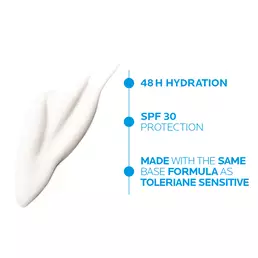
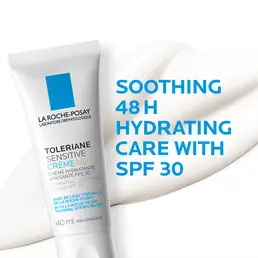
Alternatively, consider a hypoallergenic face cream with SPF that has ingredients that will maintain or repair the skin’s barrier function, like La Roche-Posay Toleriane Sensitive UV Cream SPF 30. It has a unique prebiotic action on the skin’s microbiome and also includes glycerine, which captures and retains water, and ceramides, which repair the skin barrier. It’s also a fragrance-free sunscreen, which, as mentioned earlier, is something you should look for in a face sunscreen for sensitive skin.
The skin on your face is not only thinner than the skin on your body; it’s more exposed, so it's crucial to keep that skin barrier healthy and strong. Don’t use anything less than SPF 30 to get adequate protection. Besides choosing the best sun protection for sensitive skin, applying the appropriate amount (about a nickel-size amount to your face) and reapplying every few hours, there are other general precautions to take. Limit your time spent in the sun, especially during its most intense hours, and wear protective clothing. Your delicate, protected skin will thank you.
Frequently Asked
Related Products