


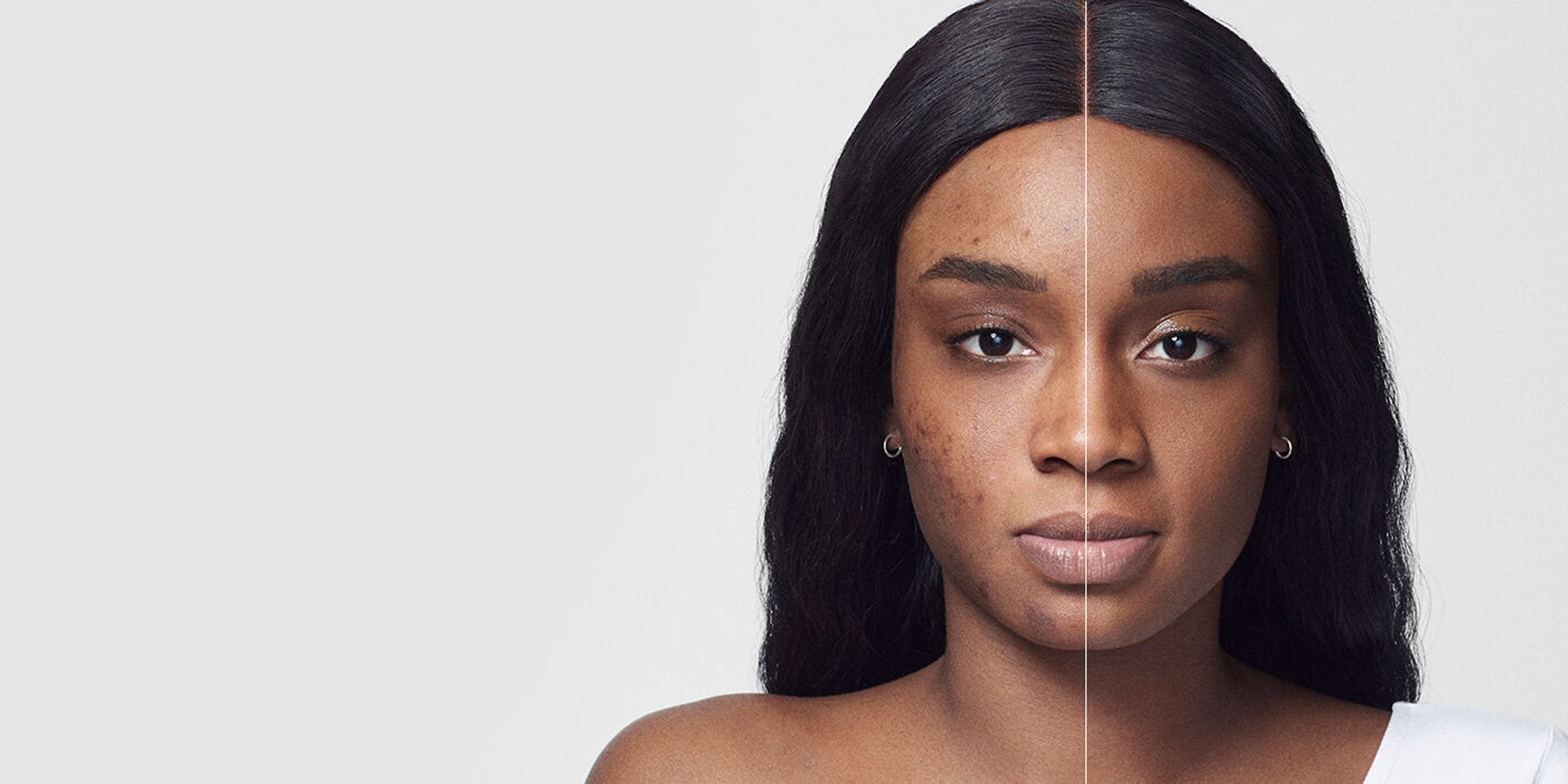
Age spots are a common version of hyperpigmentation that appear on the surface of the epidermis as small flat marks that are darker in tone than the rest of your skin. They are prevalent among people who are over the age of 40, and from a health perspective, they are considered harmless. Age spots are also painless, but they can be frustrating to deal with and can impact your sense of self-esteem about your appearance.
What do age spots look like?
Age spots can range in colour from light brown to black. Unlike a mole, they are smooth and appear the same texture as the rest of your skin. If you detect changes in a spot such as its shape, size or colour, or if it becomes itchy or begins to bleed, then you should see your doctor in order to rule out melanoma, which is a type of skin cancer.
Are age spots and sunspots the same?
Y-E-S! “Age spots” is an umbrella term that also includes sunspots, liver spots and dark spots.
What causes age spots?
Age spots are caused by an excessive production of melanin, which is the natural pigment in your skin that produces its colour or tone. Skin aging, sun exposure and exposure to other types of ultraviolet (UV) light, such as a tanning bed, can all trigger the development of skin pigment. Melanin also provides a protective function: It acts as a natural shield against harmful UV rays. But when skin gets excessive UV exposure, melanin production increases and clusters of melanin develop, causing a liver spot to form. This explains why liver spots on the skin tend to appear on sun-exposed areas such as the face and chest, the back of the hands, along the shoulders and on the upper back and forearms.
How to remove age spots
Patience and over-the-counter skincare products can help fade existing age spots, but you’ll need a pro if you want to remove spots promptly and completely. Treatment options include prescription creams, like hydroquinone, which inhibits melanin production, as well laser therapy (such as IPL), microdermabrasion and chemical peels that work on deeper layers of the skin where dark spots take hold. Consult with your dermatologist or skin therapist to find out which treatment is the right fit for you.


