What is sun allergy?
Photosensitivity refers to various symptoms, diseases and conditions caused or aggravated by exposure to sunlight. Even artificial UV rays from tanning beds can trigger reactions. When those allergic to the sun are exposed to sunlight, the immune system sees UV rays as a threat and releases histamines, causing skin inflammation, sun rash, and other uncomfortable sun allergy symptoms.
What does a sun allergy look like?
Signs of sun sensitivity can include red bumps, raised areas, scaling, or blisters on sun-exposed skin. The rash often follows the outline of clothing, creating clearly defined borders where covered areas remain unaffected. Unlike regular sunburn, sun allergy symptoms can appear within minutes of minimal UV exposure, affecting areas like the face, neck, and hands most commonly.
What can trigger photosensitivity?
Several factors can cause severe reactions to light and UV rays:
- Very fair skin tones that burn easily, particularly redheads with freckles and blue eyes,
- Skincare ingredients like AHAs, retinol, and benzoyl peroxide that increase UV sensitivity,
- Oral medications including tetracycline antibiotics and isotretinoin (Accutane),
- Underlying skin conditions such as eczema, acne, or rosacea aggravated by sun exposure,
- Cancer treatments that make skin more photosensitive,
- Medical conditions like lupus that cause photosensitive reactions.
Types of sun allergies and photosensitivity
Polymorphous light eruption
The medical term for an itchy sun rash is Polymorphous Light Eruption (PMLE). This common photosensitive reaction causes symptoms ranging from redness and small bumps to scaling or blisters. The rash of PMLE usually disappears within two to three days if you avoid further sun exposure*.
Solar urticaria
This rarer form of sun allergy causes hives and raised itchy welts within minutes of sun exposure. These lesions typically resolve within 24 hours.
Photocontact dermatitis
This reaction occurs when a product applied to the skin—such as a fragrance, lotion or certain active ingredients—reacts under the effect of UV rays, causing irritation or a localized skin reaction on the application area.
Sun poisoning
Contrary to common belief, sun poisoning is not a sun allergy but describes extreme sunburn. It's completely preventable with regular SPF 50+ sunscreen application and proper sun protection behaviors.
Prevention strategies for sun sensitivity
Your best option is to take steps to prevent a sun-sensitive reaction from happening at all. Follow these essential strategies:
- Avoid peak sun hours (10 a.m. to 4 p.m.) when UV rays are strongest,
- Remember year-round protection—UVA rays penetrate clouds and glass, putting hypersensitive skin at risk on overcast days, in cars, or during plane travel,
- Use broad-spectrum sunscreen for dry skin with high SPF daily, specifically tested for sensitive skin,
- Wear protective clothing including wide-brimmed hats, long sleeves, and UV-blocking sunglasses, and complete your protection routine with sunscreen as the final step.
If you have light sensitivity, you should not usually avoid the sun completely because the body needs vitamin D. Focus on getting brief, protected sun exposure regularly**.
Our best sunblocks for sensitive skin
Modern sunscreen formulas address compatibility issues for those with skin sensitivity to sun, offering effective protection while caring for sunburned skin and preventing future reactions.
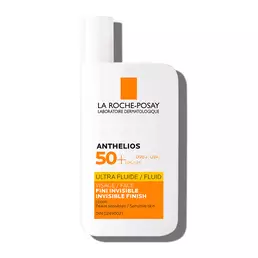
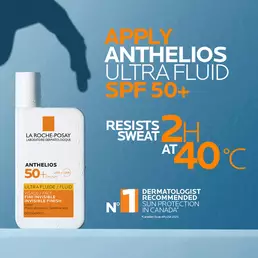
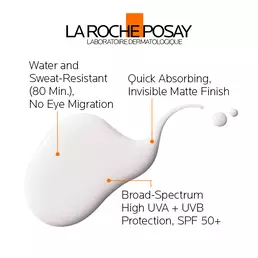
- Anthelios Ultra-Fluid SPF 50+ Facial Sunscreen is an ultra-light, fragrance-free sunscreen that delivers an ultra invisible protection against sun damage.
- ANTHELIOS HYDRATING BODY LOTION SPF 50+ is a lightweight broad-spectrum sunscreen formula with a dry touch finish, that provides 24H hydration.
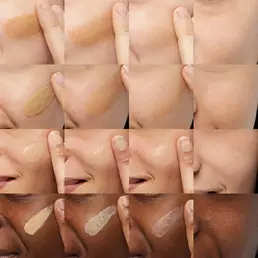
- ANTHELIOS MINERAL TINTED ULTRA FLUID SPF 50 FACIAL SUNSCREEN is an ultra-light sunscreen that delivers high broad-spectrum UVA and UVB protection, formulated with 100% mineral filters.
Getting medical help for sun allergies
If you notice a reaction after minimal sun exposure, talk to a healthcare provider about treatment options. Consult a dermatologist immediately if you experience:
- New or different signs of sun sensitivity,
- Persistent sun allergy reaction that doesn't respond to over-the-counter treatments,
- Severe blistering, swelling, or symptoms covering large body areas,
- Flu-like symptoms with fever, chills, nausea, headache and weakness, or if your skin blisters***.
With the right protection strategy, you can maintain an active lifestyle despite photosensitivity. Knowledge about your specific triggers, combined with quality sun protection products designed for sensitive skin, empowers you to safely enjoy outdoor activities while keeping sun allergy symptoms under control.
*Source: Merck Professional Manuals, Julia Benedetti, MD, Harvard Medical School, Oct 2023
**Source: Sun Protection and Sun Exposure Habits of Sensitive Skin Individuals. L. Misery, V. Delvigne, S. Seite, S. Salah, C. Taieb, J. Shourik
***Source: Sun Allergy Photosensitivity, Diagnosis, Harvard Health Publishing, 2022
Related Products