Although it's hard to make eczema disappear entirely, it's a skin condition that can be managed.
The key is to make sure the symptoms (ie the itchy, patchy or flaky red skin) stay away, so your skin feels soothed and the eternal negative cycle of scratching and sore skin is broken.
So, what can I do if I suffer from eczema?
Here are 9 top tips to make sure your eczema-prone skin doesn’t get out of control.
1. Use the right products
Endorsed by the British Allergy Foundation, Toleriane Dermallergo Fluid Moisturizer is the ultimate facial moisturizer for eczema-prone skin. Made for skin prone to allergies, it’s soothing and does not contain preservatives, parabens, fragrances, alcohol, colorant nor lanolin in its formula. It contains dry skin saviours, shea butter and glycerin: ideal for dry skin.
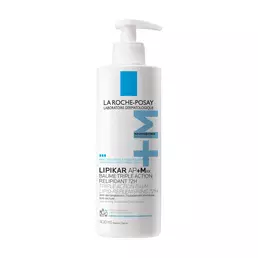
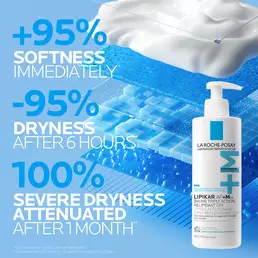
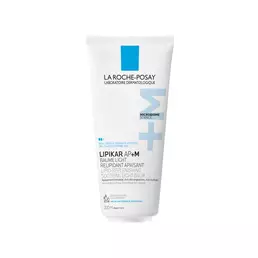
For eczema on your body, try La Roche-Posay Lipikar Baume AP+Max. The balm hydrates for 48 hours, keeps itching at bay for 24 hours and regulates the skin’s microbiome - helping maintain itch-free skin sustainably over time.
2. Avoid temperature changes
Skin reacts to temperature changes, which is why eczema often flares up in the winter, or in the summer. Cold, dry weather can increase skin dryness, while overheating and sweating can also trigger itching or flare-ups in some people. Try to keep your skin and body temperature comfortable and avoid sudden or extreme temperature changes when possible.
3. Shower after exercise
Sweating after exercise can also irritate eczema, therefore a quick shower is the key. Use lukewarm rather than hot water and avoid scrubbing. Apply moisturizers and emollients within five minutes of showering to increase absorption.
4. Wear the right fabrics
Scratchy wool is a big no-no. Use breathable fabrics which will limit any unnecessary overheating or sweating. Wash clothing with fragrance-free and dye-free laundry detergent if these products tend to irritate your skin.
5. Investigate your diet
Nutritionists like Sandra Greenbank (www.sandragreenbank.co.uk) believe eczema sufferers can change their diet for better skin, saying "there is increasing evidence that some types of eczema are triggered by food reactions". Investigate if your trigger is a food allergy.
6. Avoid allergens
Eczema triggers are different for everyone. Common triggers can include fragranced skincare, dust, wool, pollen and certain substances that come into contact with the skin.
Rather than trying to avoid every possible allergen, pay attention to what consistently aggravates your eczema and work with a healthcare professional if your triggers are difficult to identify.
7. Get treatment
Topical steroids are recommended in the treatment of eczema, reducing redness and inflammation and letting skin heal.
Use medicated treatments exactly as directed by your doctor or dermatologist, particularly on sensitive areas such as the face or around the eyes.
8. Keep stress at bay
Stress and eczema are linked. Stress does not cause eczema, but with a lower immune system, rashes get worse and may contribute to longer or more frequent flare-ups in some people. Finding healthy ways to manage stress may therefore be a useful part of an overall eczema-management plan.
9. Consult a dermatologist or GP
If you suffer from acute eczema, going to see a dermatologist, GP or other medical professional to get customised advice could be the best way to help keep your skin under control. Seek medical advice if your eczema is worsening, interfering with sleep or daily activities, showing signs of infection, or not improving despite appropriate skincare.